Genealogy is one of the most rewarding hobbies out there – but it can also become overwhelming fast. Between census records, DNA matches, newspaper clippings, family photos, and half‑finished research leads, it’s easy to lose track of what you’ve found and what you still need to explore.
The good news: with a few simple systems, you can turn the chaos into a well‑organized, easy‑to-navigate family history project. Here’s how to bring order to your research so you can spend more time discovering ancestors and less time hunting for misplaced notes.
1. Start With a Clear Filing System
Whether you prefer digital folders, paper binders, or a hybrid approach, consistency is everything.
Digital Organization
Create a main folder called Genealogy, then add subfolders such as:
- Surnames (one folder per major family line)
- Documents (certificates, wills, land records)
- Photos
- Census Records
- DNA
- Research Logs
- Correspondence
Use simple, descriptive file names like: Smith_John_1871Census_Ontario
Paper Organization

Binders or accordion files work well. Use:
- • One binder per surname
- • Colour‑coded tabs for quick navigation
- • Sheet protectors for fragile documents
- • A table of contents at the front
2. Keep a Research Log (Your Future Self Will Thank You)
A research log is the single most underrated tool in genealogy.
It tracks:
- What you searched
- Where you searched
- What you found
- What you didn’t find
- Next steps
A simple spreadsheet works beautifully. Over time, this prevents duplicate searches and helps you spot patterns you might otherwise miss.
3. Use a Master Family Tree — and Stick to It
Choose one platform as your “official” tree:
- Ancestry for hints and large record sets
- FamilySearch for free, collaborative research
- MyHeritage for European connections
- Family TreeMaker software for private research
Having one master tree prevents confusion and conflicting versions. Note that you can keep your information private or not through settings on public sites
4. Create a To-Do List for Each Ancestor
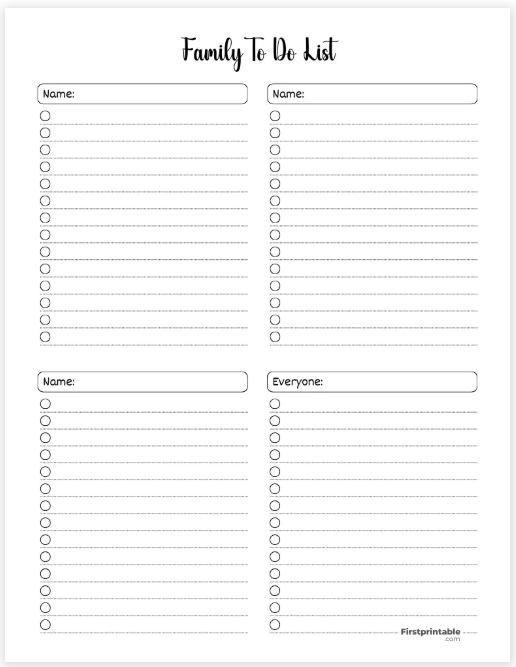
Instead of jumping randomly between branches, give each ancestor a dedicated task list. Include:
- Records you still need
- Conflicting information to resolve
- Places to search next
- People to contact
- DNA matches to review
This transforms your research from reactive to strategic.
5. Track Your Sources Carefully
Good genealogy is built on solid evidence. For every fact you add to your tree, record:
- The source title
- The repository or website
- The date you accessed it
- A link or citation
You don’t need perfect academic citations — just enough detail to retrace your steps.
6. Use Timelines to Untangle Confusing Ancestors
Timelines help you:
- Spot gaps in the record
- Identify inconsistencies
- Understand migration patterns
- See your ancestor’s life in context
A simple chronological list of events can solve mysteries that have stumped you for years.
7. Back Up Everything (Seriously, Everything)
Digital files should be backed up in at least two places:
- An external hard drive
- A cloud service (OneDrive, Google Drive, Dropbox)
Paper files should be scanned regularly. Fires, floods, and computer crashes happen — but your research doesn’t have to disappear with them.
8. Review and Declutter Regularly
Every few months:
- Delete duplicate files
- Merge duplicate people in your tree
- Revisit old research with fresh eyes
- Update your logs and to‑do lists
Genealogy is ongoing, and your organization system should evolve with it.
Final Thoughts
Organizing your genealogy research isn’t about perfection — it’s about creating a system that supports your curiosity and keeps your discoveries accessible. With a little structure, your family history becomes easier to explore, easier to share, and far more enjoyable.